P. K. Raja Sandow is a well-known acting recognized for their work in movies and TV shows. Over the years, they have gained popularity for their performances, versatility, and contribution to the entertainment industry. On CinemaToday, you can explore detailed information about their biography, career, movies, and TV appearances.
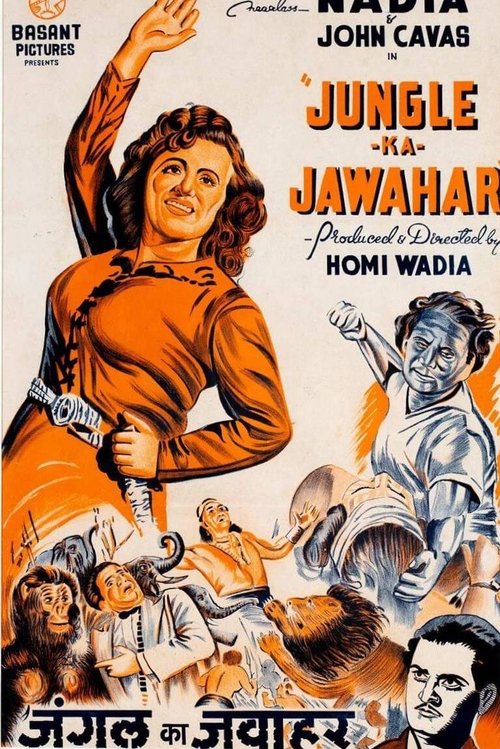
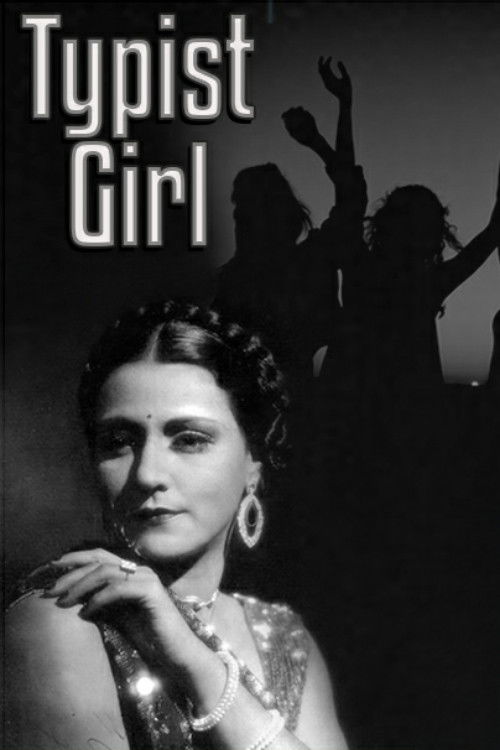
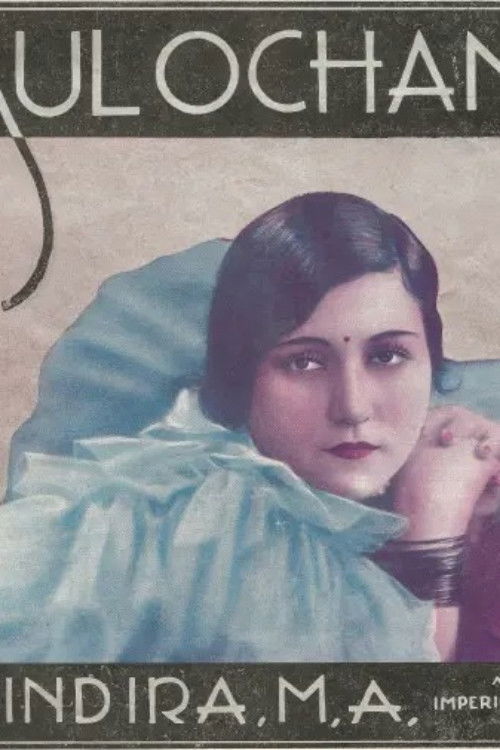
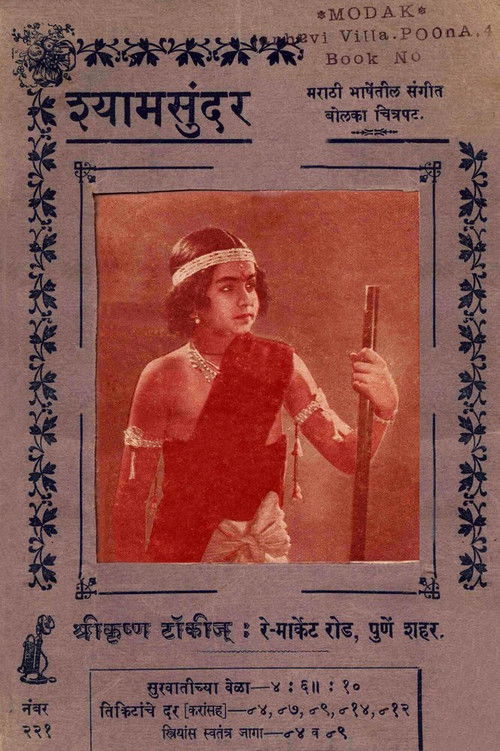
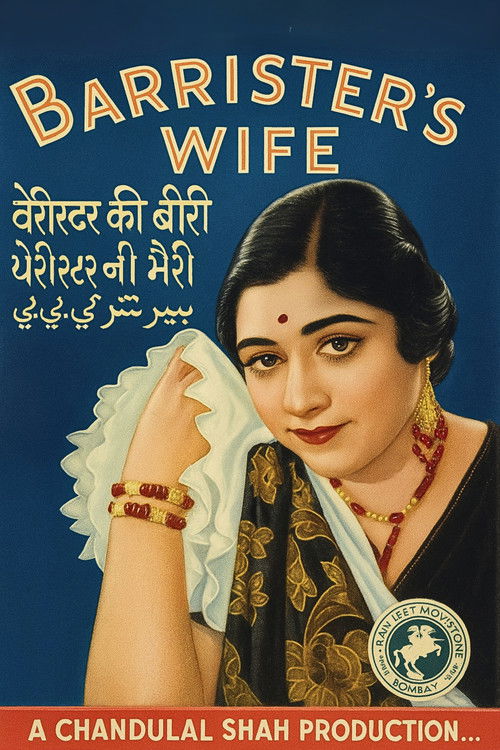
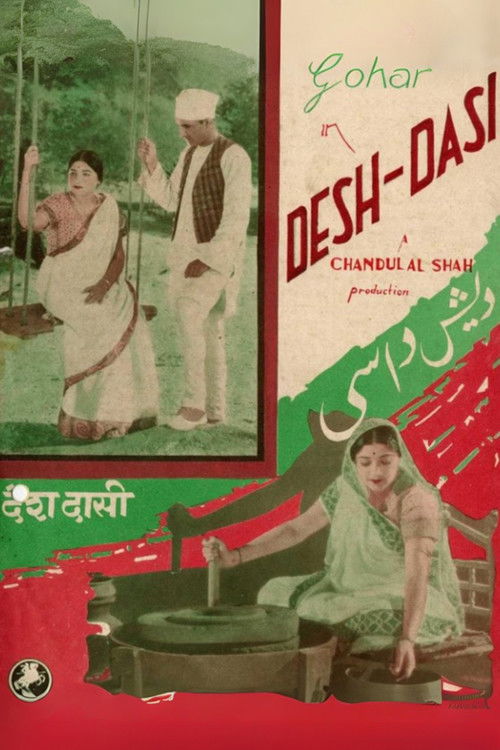
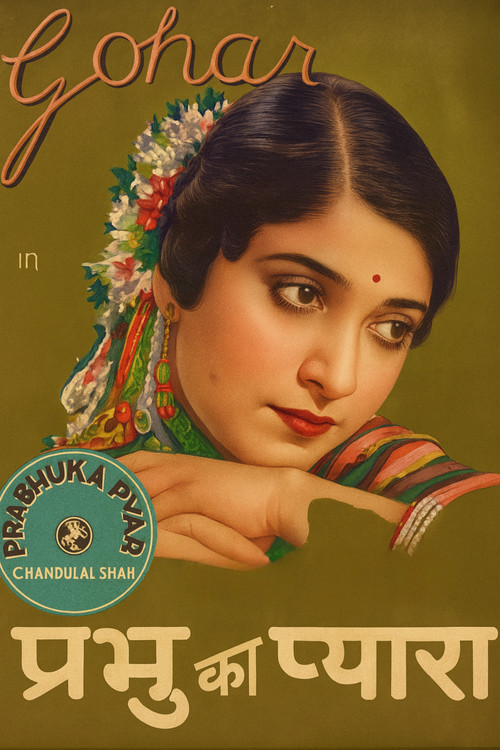
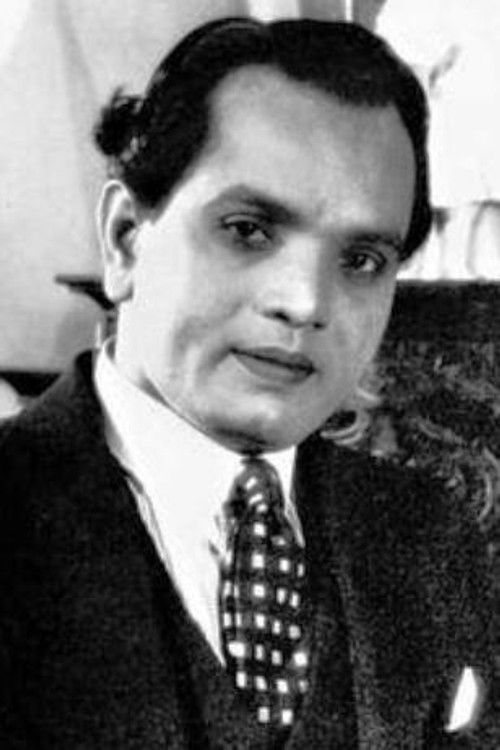
Raja Sandow (born P. K. Nagalingam) was an Indian film actor, film director and producer. He began his career as an actor in silent films and later became a prominent actor and director in Tamil and Hindi films of the 1930s. He is considered to be one of the pioneers of early Indian cinema. Raja Sandow was born in Pudukottai, Tamil Nadu. He was trained as a gymnast and started his film career as a stunt actor in S.N. Patankar's National Film Company at Bombay. He was given the name "Raja Sandow" because of his physique (after strongman Eugen Sandow). His first lead role was in Patankar's Bhaktha Bhodhana (1922), for which he was paid Rs. 101 as salary. He became famous by starring in silient films like Veer Bhemsen (1923), The Telephone Girl (1926). After acting in a few silent films he also worked as a director in Ranjit Studios for a monthly salary. His first film as director was Sneh Jyoti (1928). Returning to Tamil Nadu, he directed and acted in a number of silent films for R. Padmanaban's Associate Film Company. Many of his silent films had reformist social themes like Peyum pennum (1930), Nandhanar (1930), Anadhai Penn (1931), Pride of Hindustan (1931) and sathi usha sundari (1931).[13] After talking films were introduced with Alam Ara in 1931, he went back to Bombay and starred in many Hindi and Tamil talkies. He was often paired with the actresses Gohar and Sulochana (Ruby Myers). Between 1932–35, he acted in many socially themed Hindi films like Shyam sundar (1932), Devaki (1934) and Indira MA (1935). In 1935, he was commissioned to direct his first Tamil film Menaka and returned to Madras. He continued directing and acting in films till his death in 1943. Vasantha Sena(1936), Chalak Chor (1936), Chandra kantha (1936), Vishnuleela (1938), Thiruneelakantar (1939) and Choodamani (1941) were some of the films he directed and starred in during that period. The last film he worked in was Sivakavi (1943). Sandow suffered a heart attack and died at Coimbatore on 25 November 1943
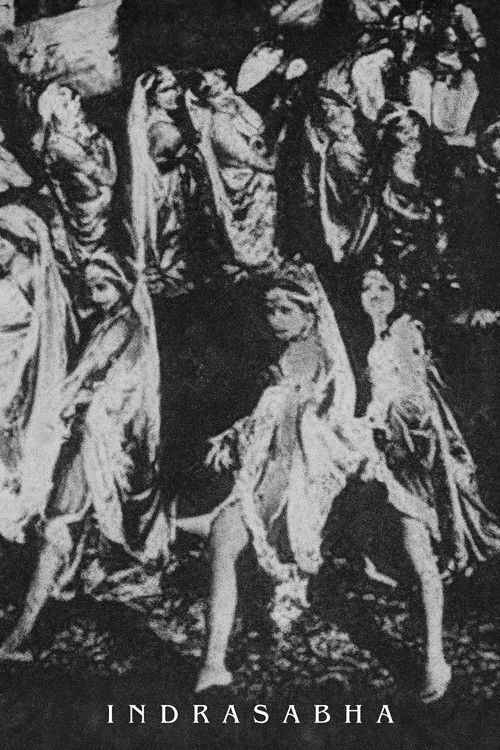
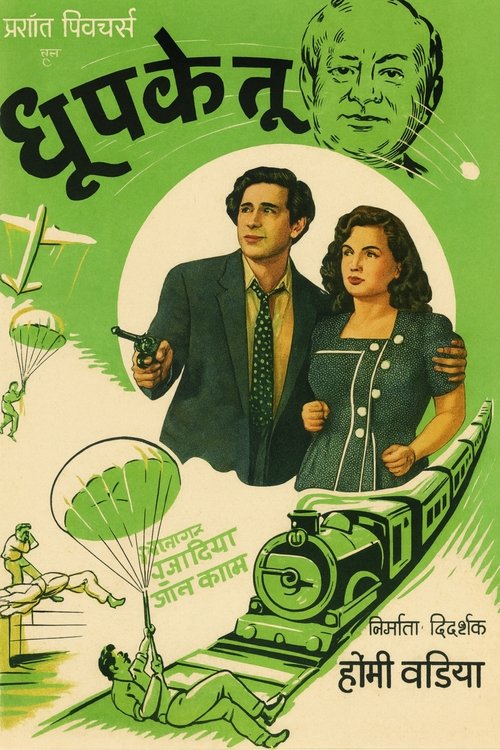
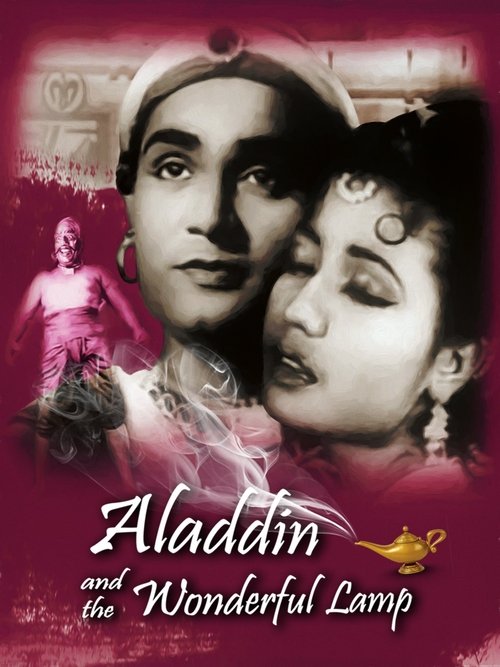
P. K. Raja Sandow has appeared in several movies across different genres. Their filmography reflects a wide range of performances and memorable roles.
0
TMDB Popularity Score
P. K. Raja Sandow continues to gain popularity due to strong audience interest and consistent performances.
CinemaToday does not host, upload, or stream any movies or TV shows.
This product uses the TMDB API but is not endorsed or certified by TMDB.
Oct 30, 1926