Miklós Rózsa is a well-known sound recognized for their work in movies and TV shows. Over the years, they have gained popularity for their performances, versatility, and contribution to the entertainment industry. On CinemaToday, you can explore detailed information about their biography, career, movies, and TV appearances.
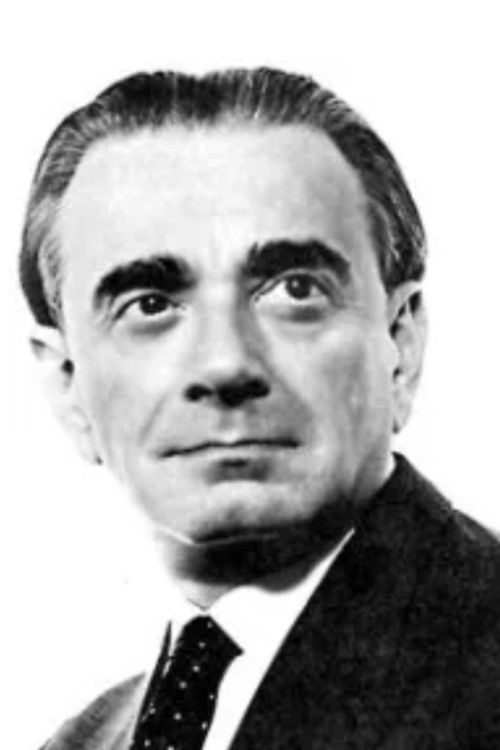
Miklós Rózsa (18 April 1907 – 27 July 1995) was a Hungarian-born composer trained in Germany (1925 – 1931), and active in France (1931 – 1935), England (1935 – 1940), and the United States (1940 – 1995), with extensive sojourns in Italy from 1953. Famous for his nearly one hundred film scores, he nevertheless maintained a steadfast allegiance to absolute concert music throughout what he called his "double life." Rózsa achieved early success in Europe with his orchestral Theme, Variations, and Finale (Op. 13) of 1933 and became prominent in the film industry from such early scores as The Four Feathers (1939) and The Thief of Bagdad (1940). The latter project brought him to America when production was transferred from wartime Britain, and Rózsa remained in the United States, becoming an American citizen in 1946. His notable Hollywood career earned him considerable fame, including Academy Awards for Spellbound (1945), A Double Life (1947), and Ben-Hur (1959), while his concert works were championed by such major artists as Jascha Heifetz, Gregor Piatigorsky, and János Starker. Description above from the Wikipedia article Miklós Rózsa, licensed under CC-BY-SA, full list of contributors on Wikipedia.
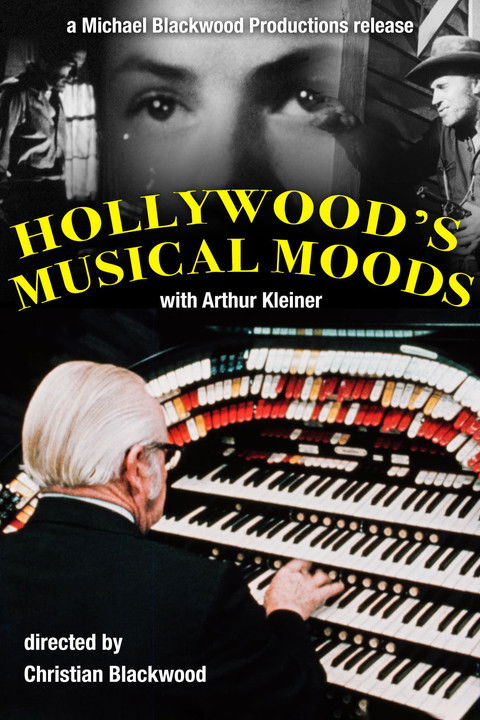
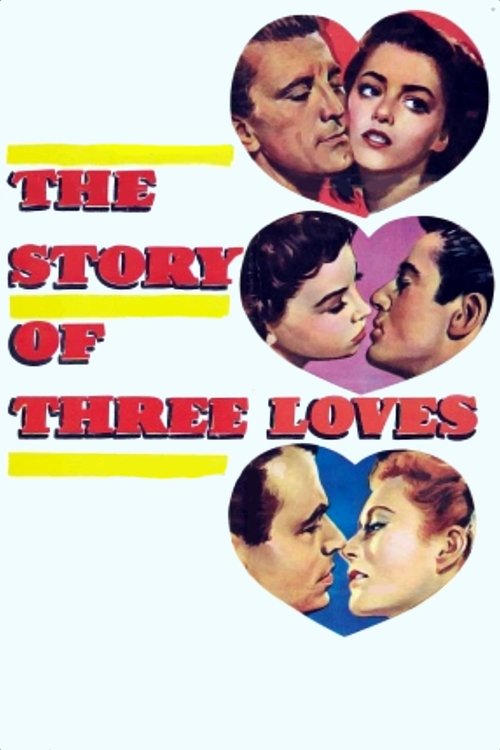
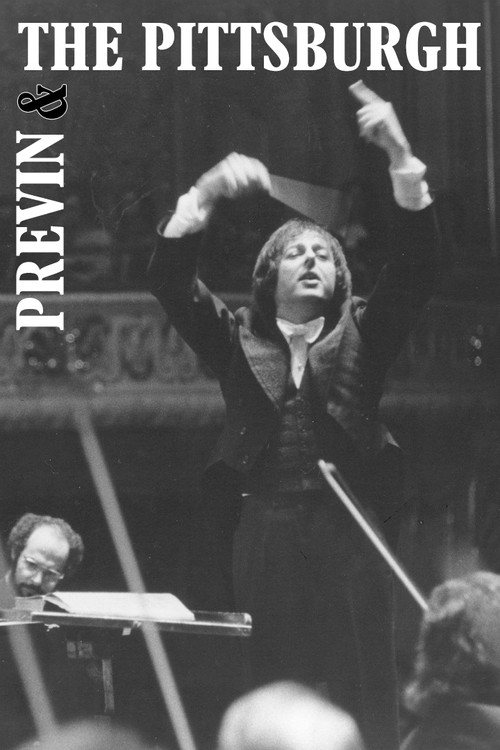
Miklós Rózsa has appeared in several movies across different genres. Their filmography reflects a wide range of performances and memorable roles.
In addition to films, Miklós Rózsa has also appeared in popular TV shows and web series.
1
TMDB Popularity Score
Miklós Rózsa continues to gain popularity due to strong audience interest and consistent performances.
CinemaToday does not host, upload, or stream any movies or TV shows.
This product uses the TMDB API but is not endorsed or certified by TMDB.
Mar 26, 1953
Feb 4, 1959