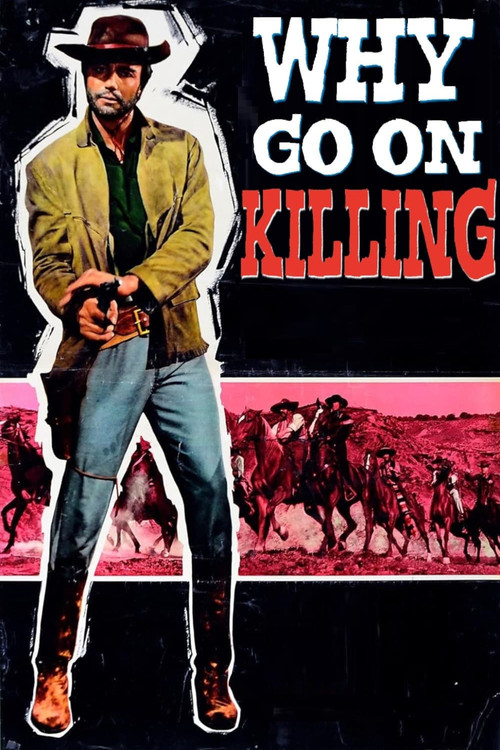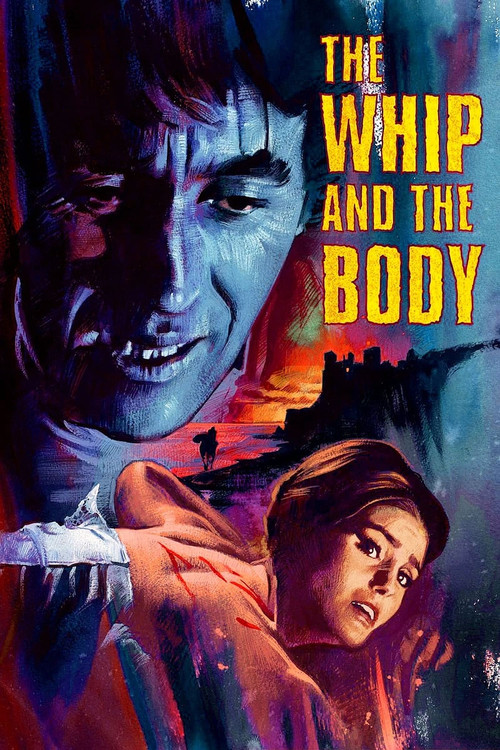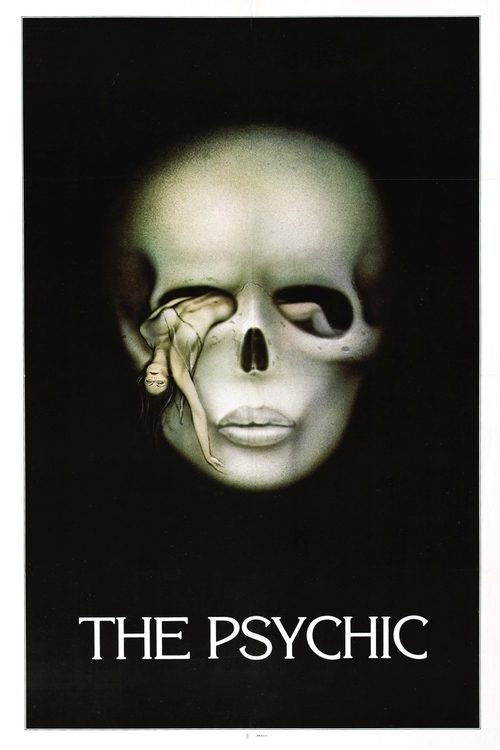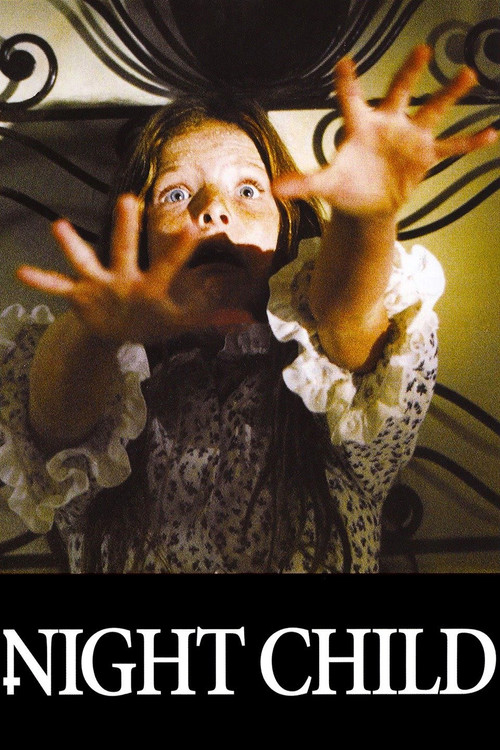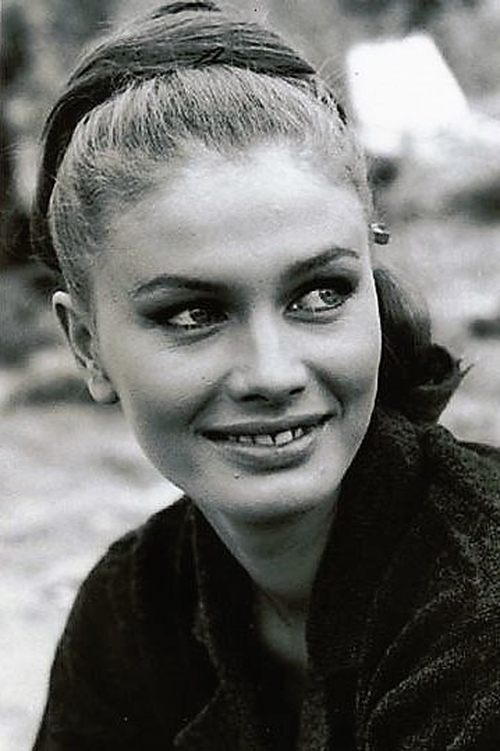
Ida Galli is a well-known acting recognized for their work in movies and TV shows. Over the years, they have gained popularity for their performances, versatility, and contribution to the entertainment industry. On CinemaToday, you can explore detailed information about their biography, career, movies, and TV appearances.
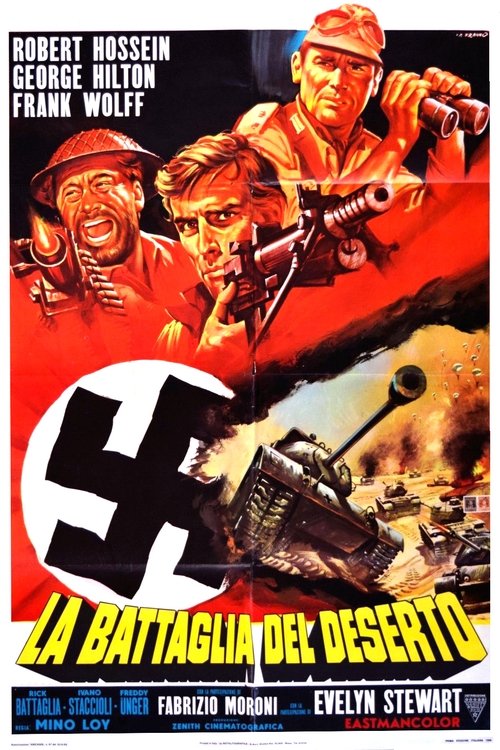
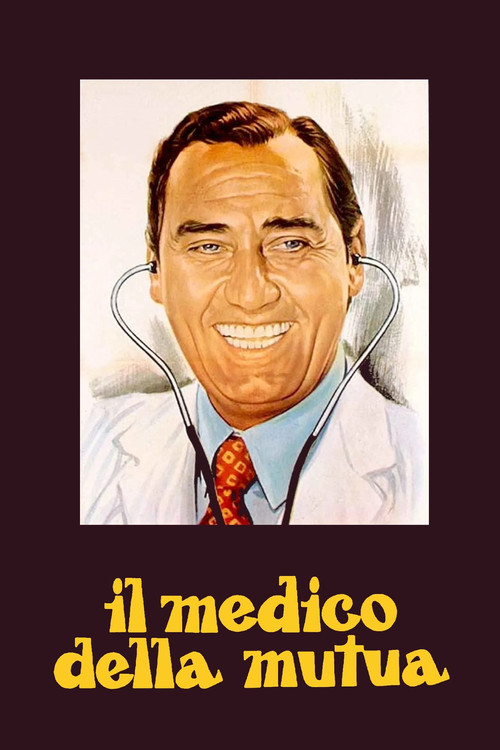
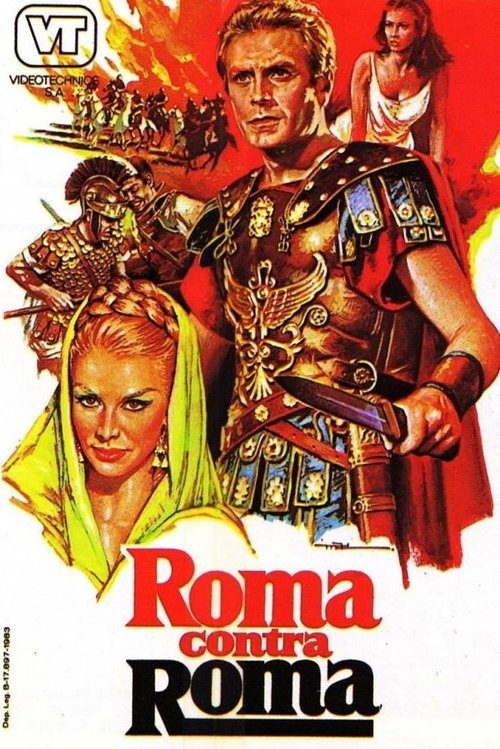
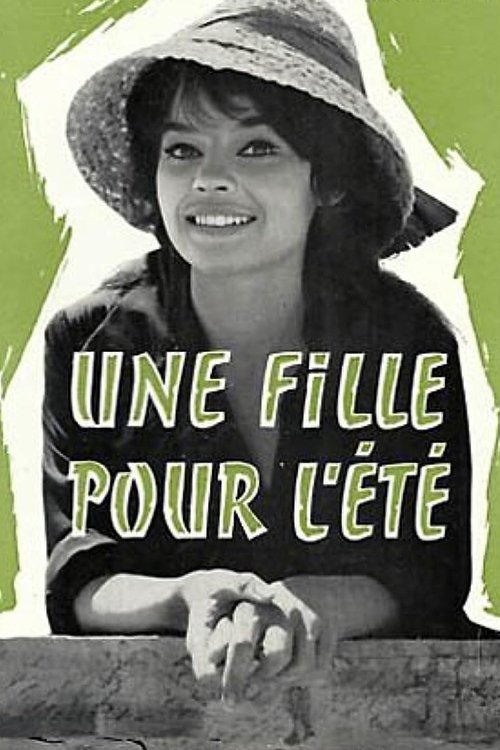
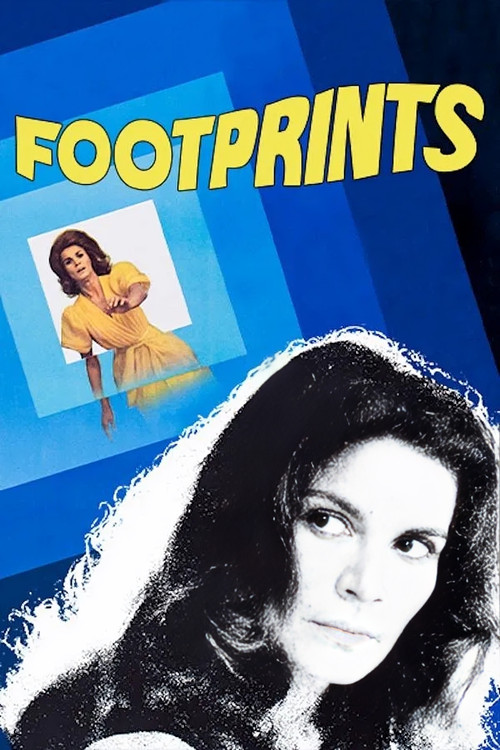
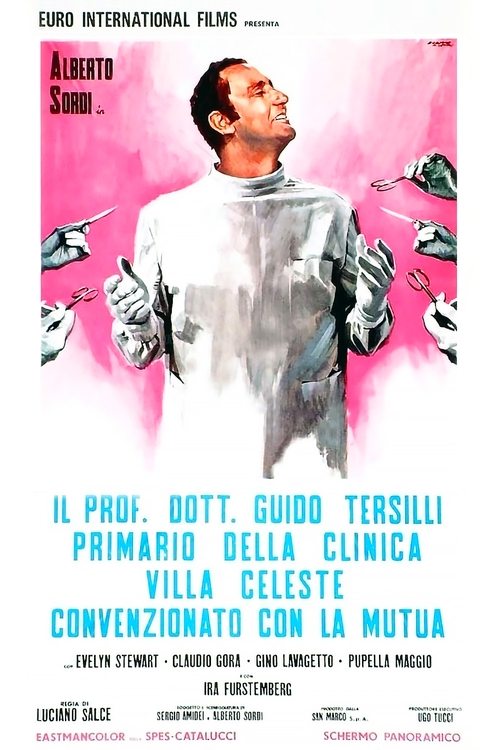
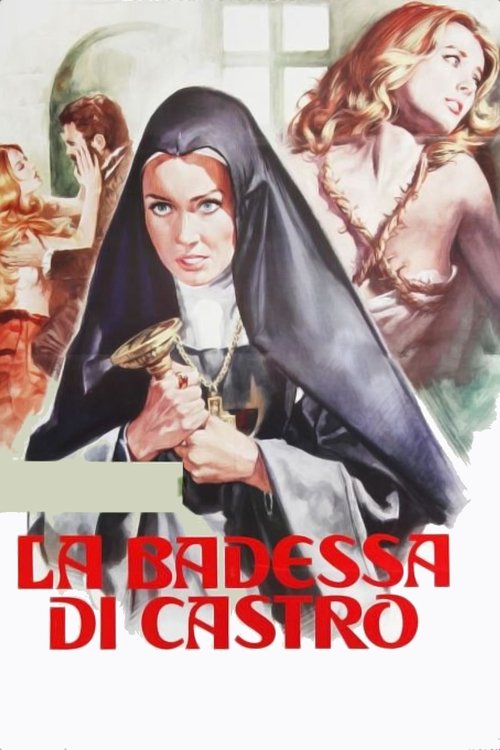
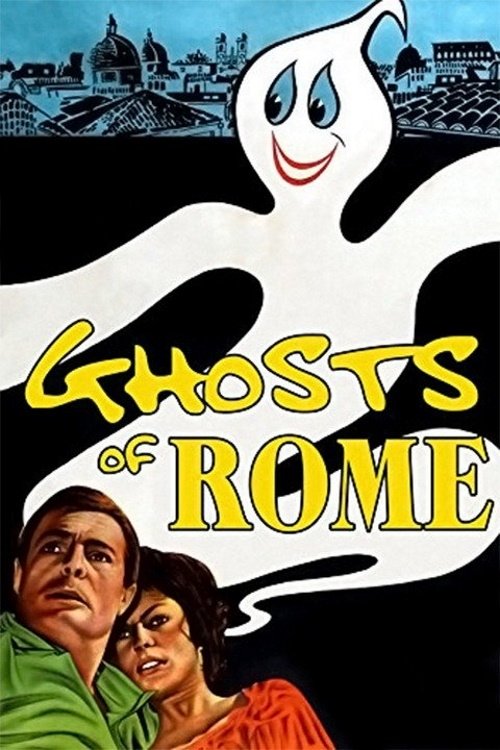
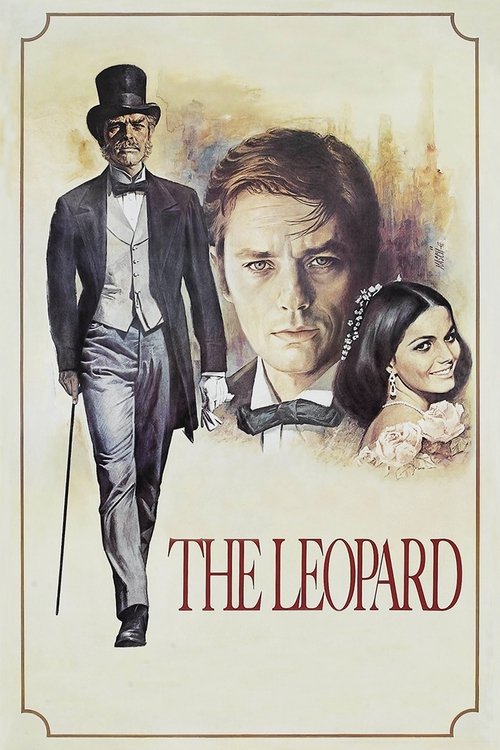
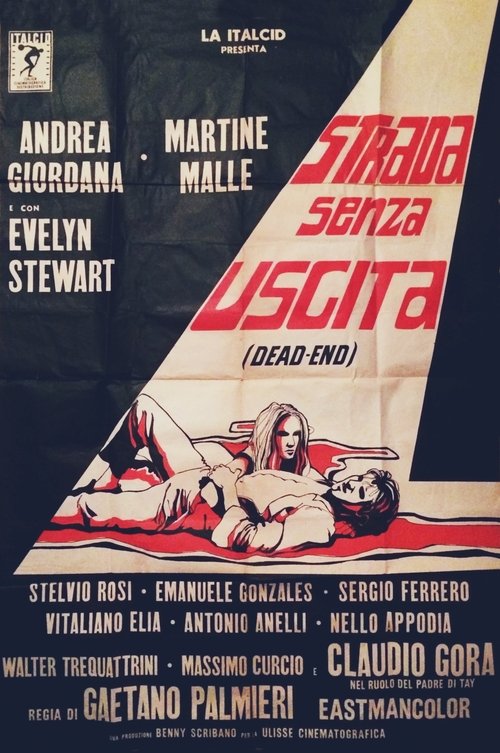
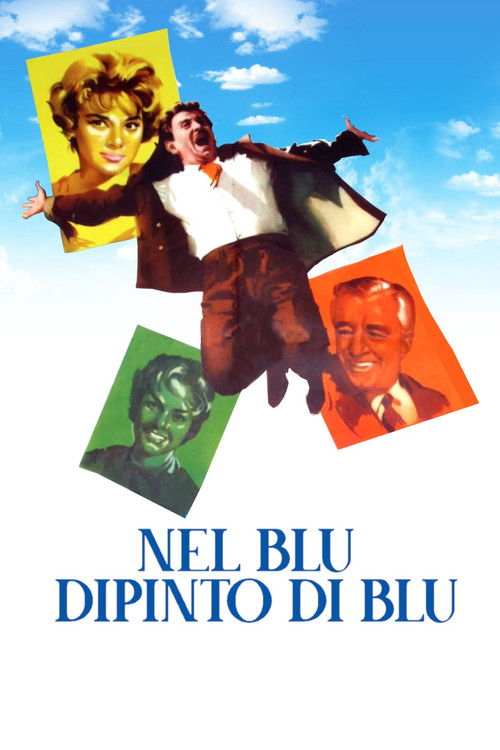
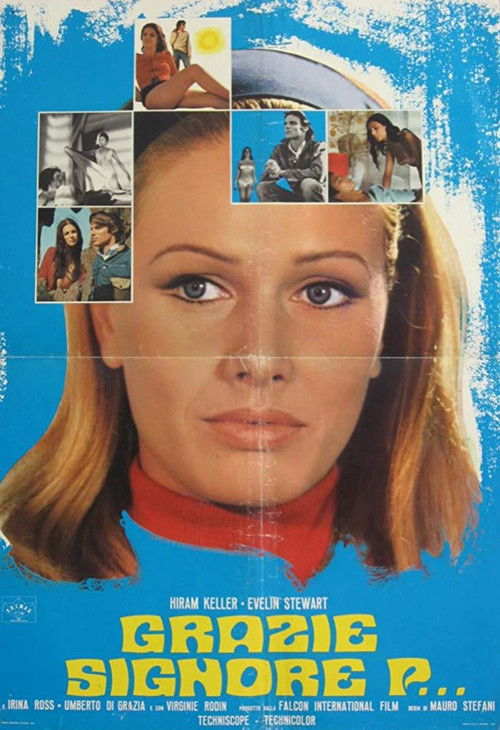
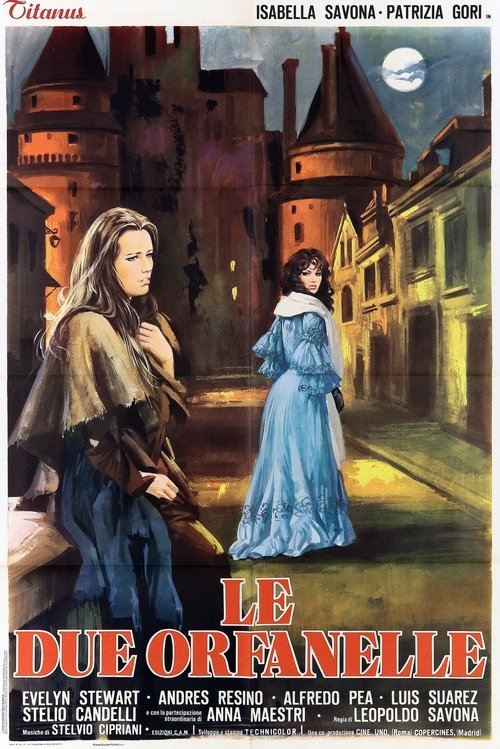
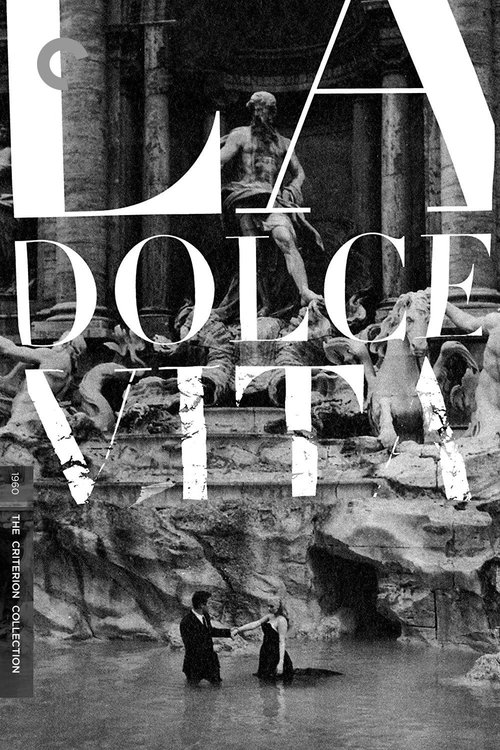
Ida Galli, also known by the pseudonym Evelyn Stewart (Sestola, October 8, 1939), is an Italian actress, active between 1959 and 1990. She also used the pseudonyms Arianna Galli (in her debut film Nel blu dipinto di blu) and Isli Oberon (in La frusta e il corpo). She moved while still young to Rome where she earned her master's degree, intending to pursue a teaching career, not at all interested in film. Her debut came thanks to a chance meeting with French actor Gérard Landry, who in 1959 enabled her to get a small part in the musicarello film Nel blu dipinto di blu. Later, in the 1960s and 1970s, she was employed as a character actress in numerous films, ranging from art-house to genre cinema, including Federico Fellini's La dolce vita, Luchino Visconti's Il Gattopardo, and Antonio Pietrangeli's Fantasmi a Roma, followed by spaghetti westerns, peplums, horror films, poliziotteschi and Italian-style erotic comedies. In 1965, in the film Un dollaro bucato, she was first credited with the pseudonym Evelyn Stewart, later used in two of her best-known appearances, Il medico della mutua and its sequel, alongside Alberto Sordi. She appeared in more than sixty films until 1990, when she ended her film experience
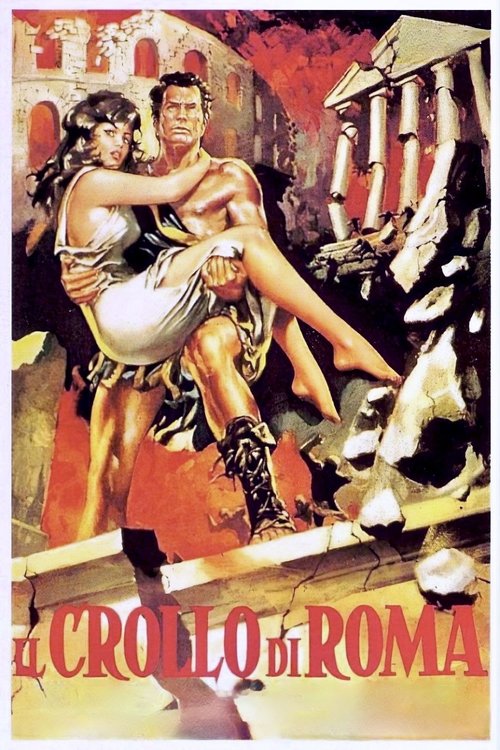
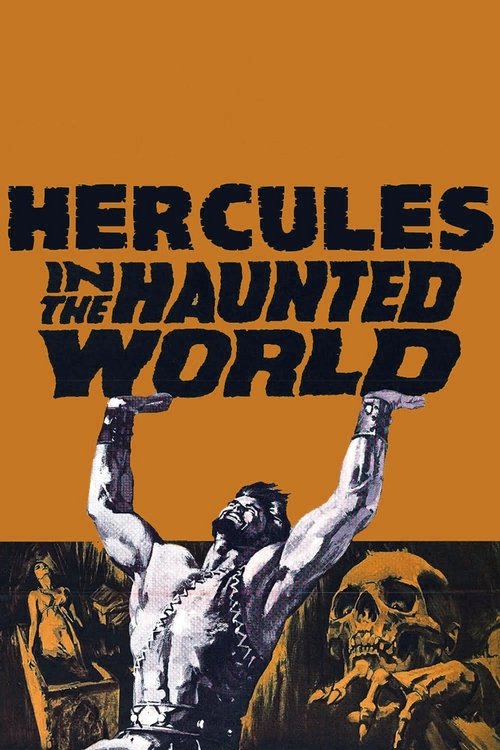
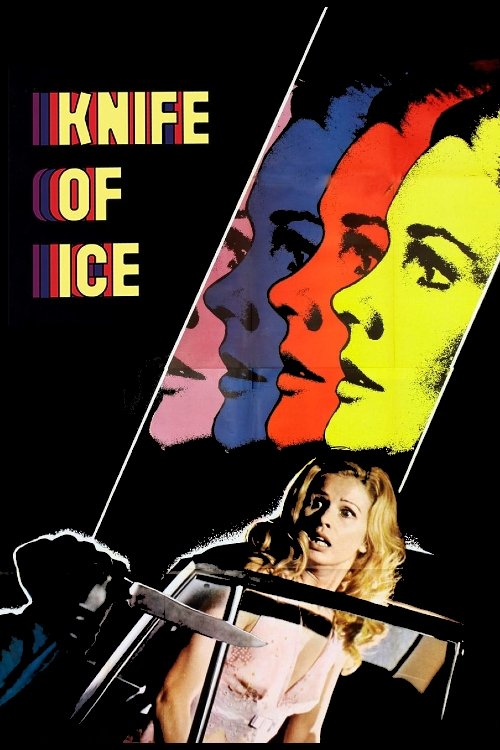
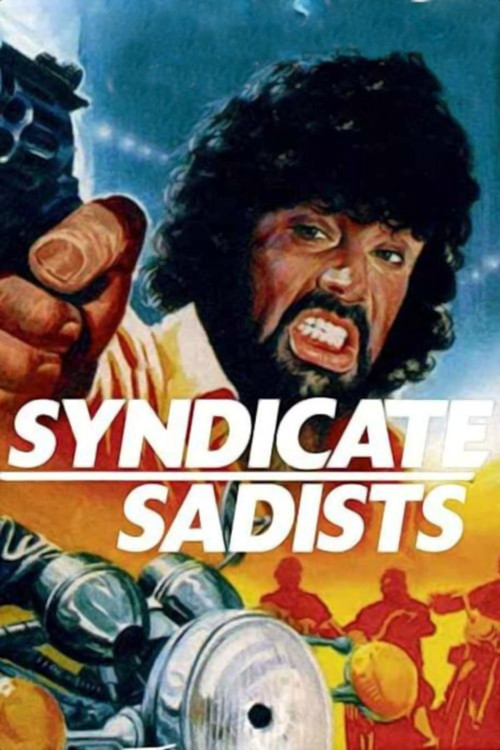
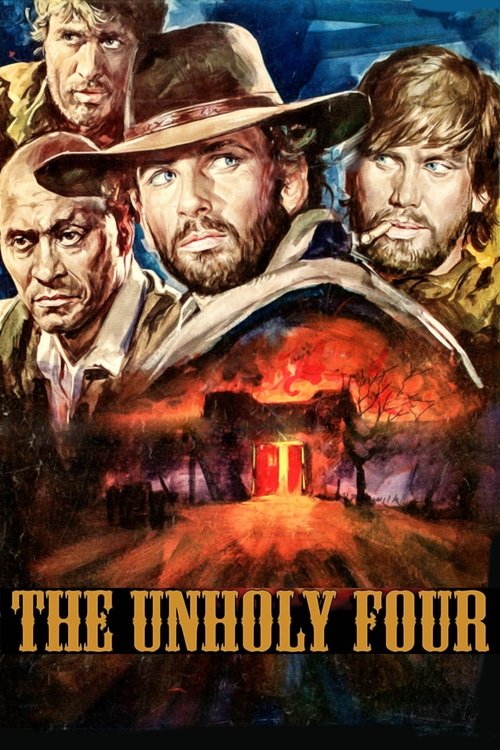
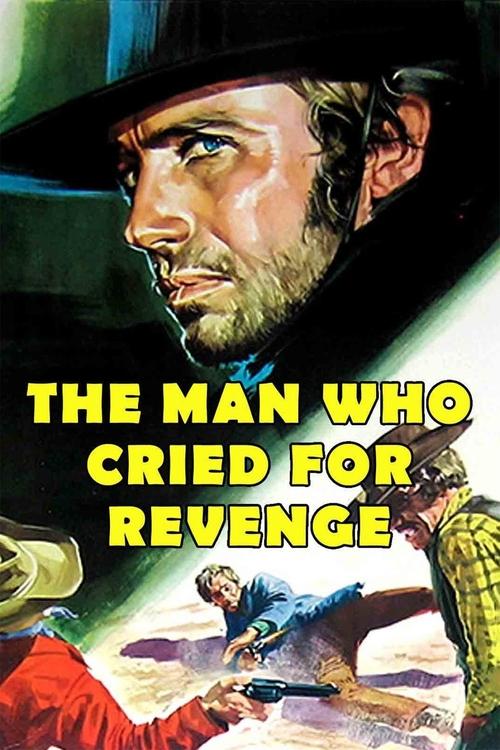
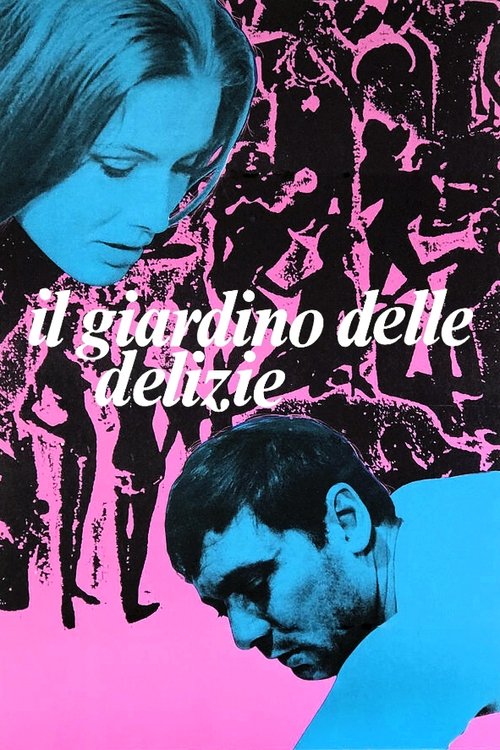
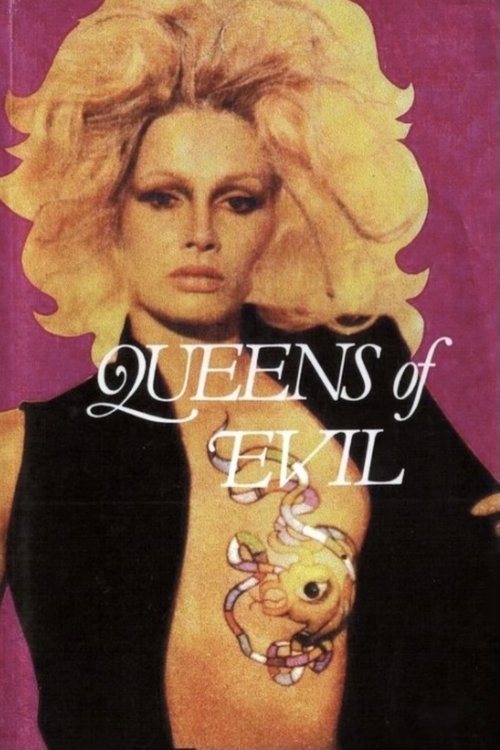
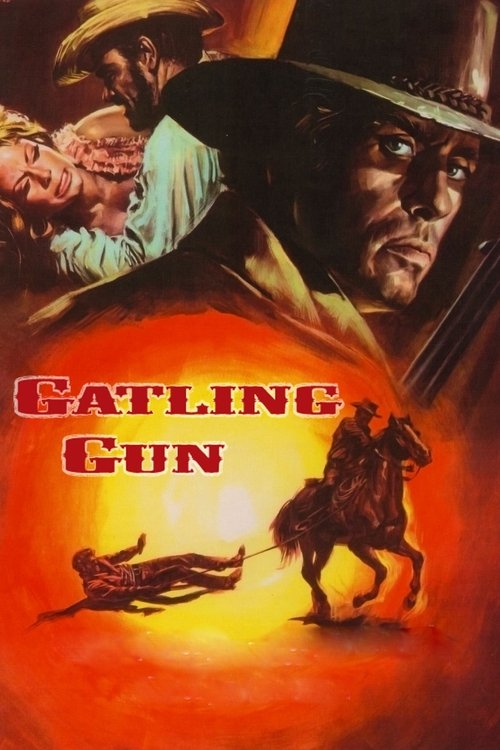
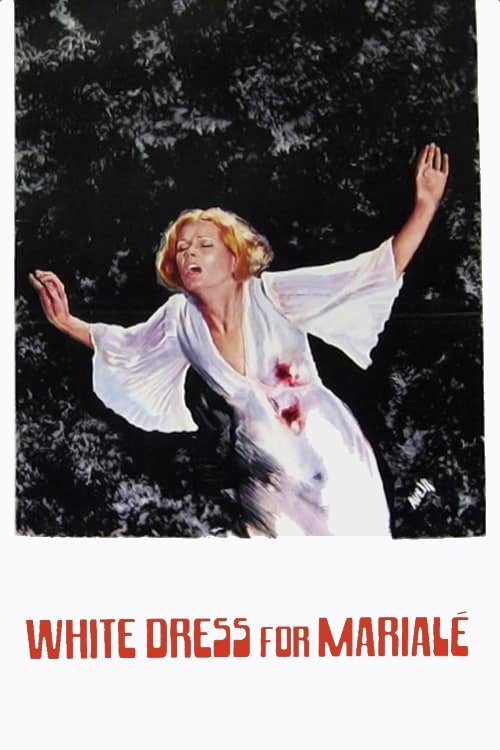
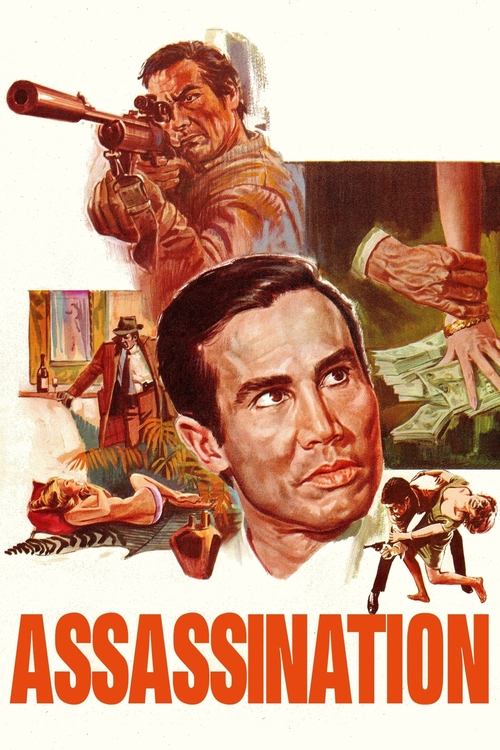
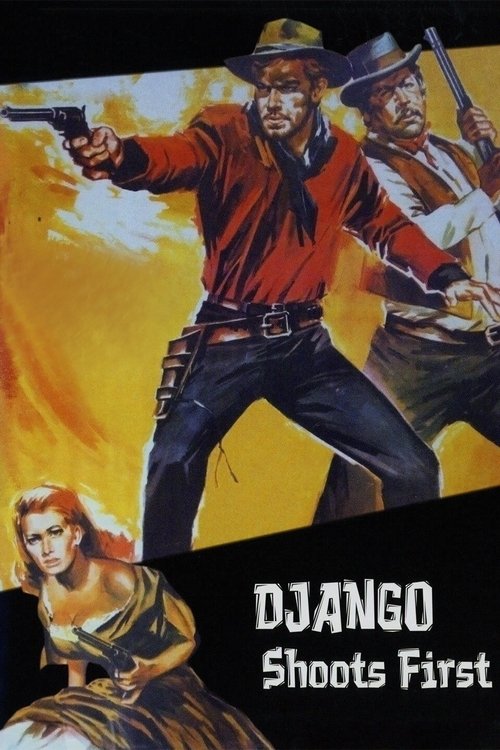
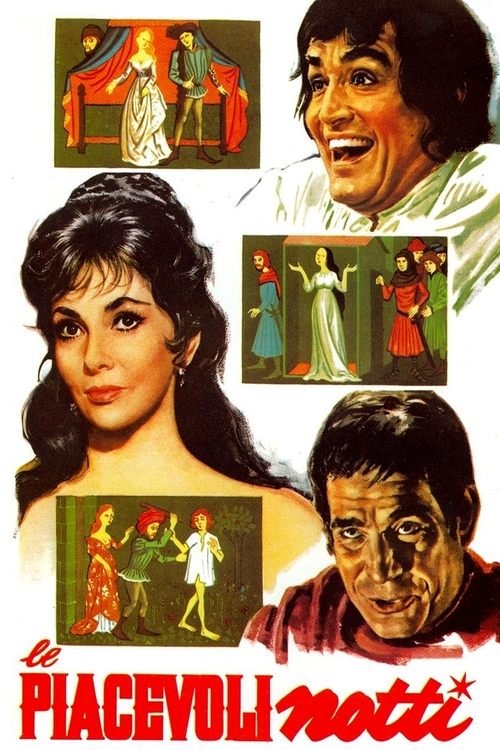
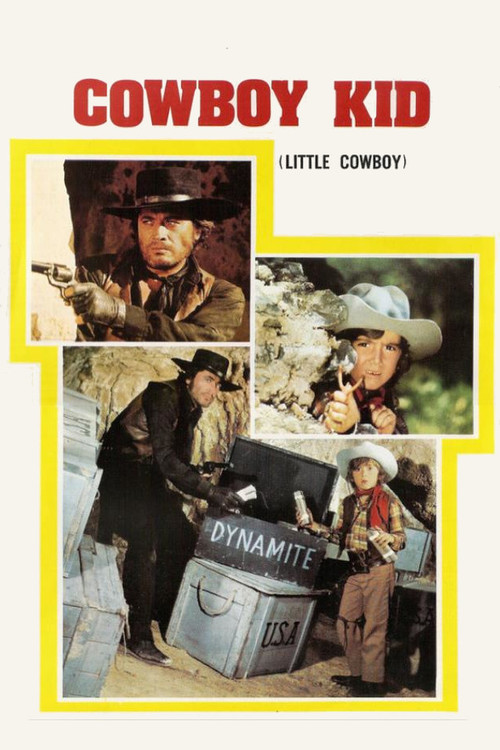
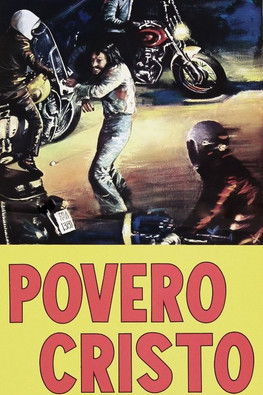
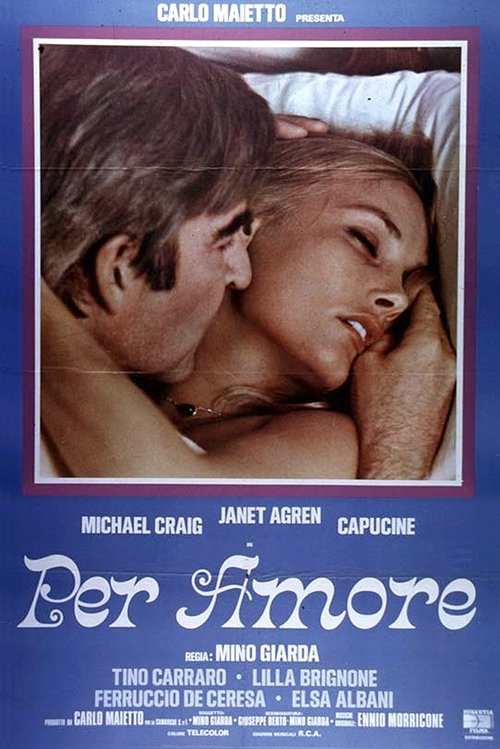
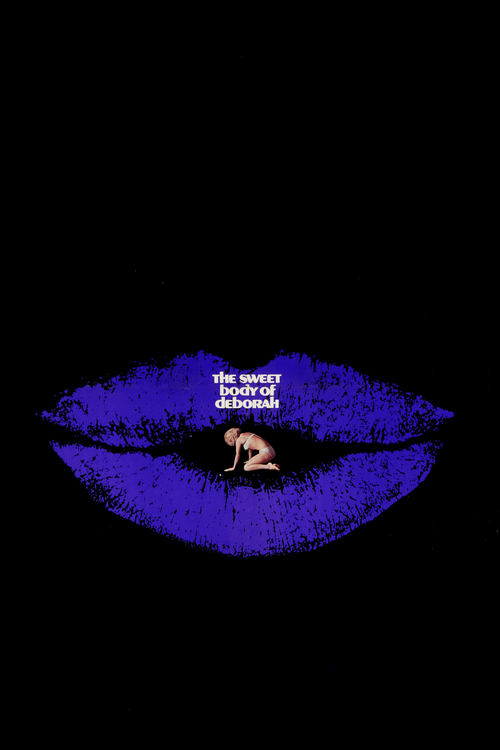
Ida Galli has appeared in several movies across different genres. Their filmography reflects a wide range of performances and memorable roles.
In addition to films, Ida Galli has also appeared in popular TV shows and web series.
1
TMDB Popularity Score
Ida Galli continues to gain popularity due to strong audience interest and consistent performances.
CinemaToday does not host, upload, or stream any movies or TV shows.
This product uses the TMDB API but is not endorsed or certified by TMDB.
Jun 4, 1969