Glen Chin is a well-known acting recognized for their work in movies and TV shows. Over the years, they have gained popularity for their performances, versatility, and contribution to the entertainment industry. On CinemaToday, you can explore detailed information about their biography, career, movies, and TV appearances.
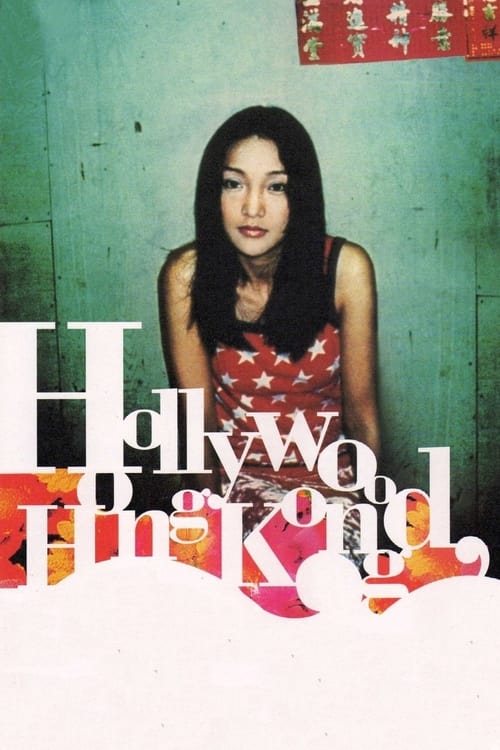
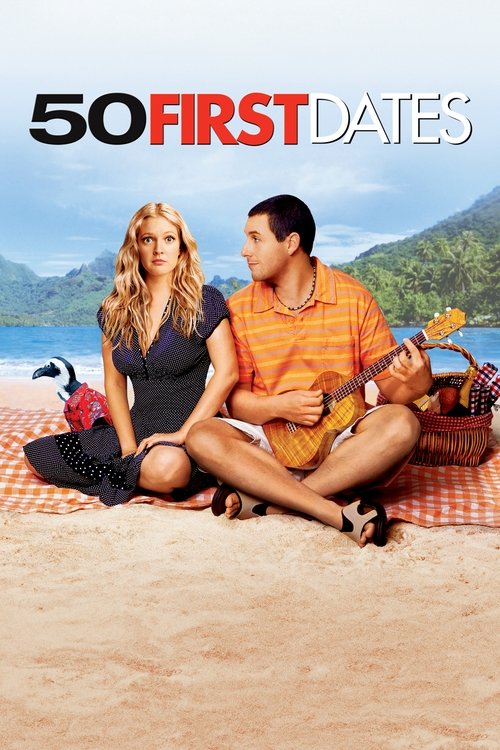
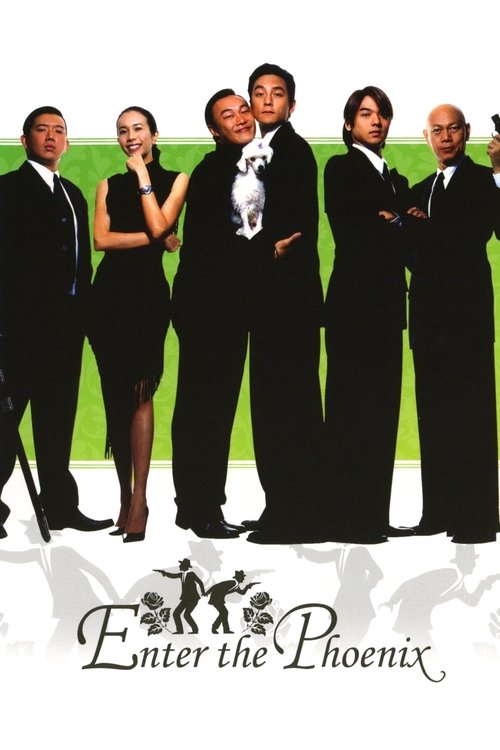
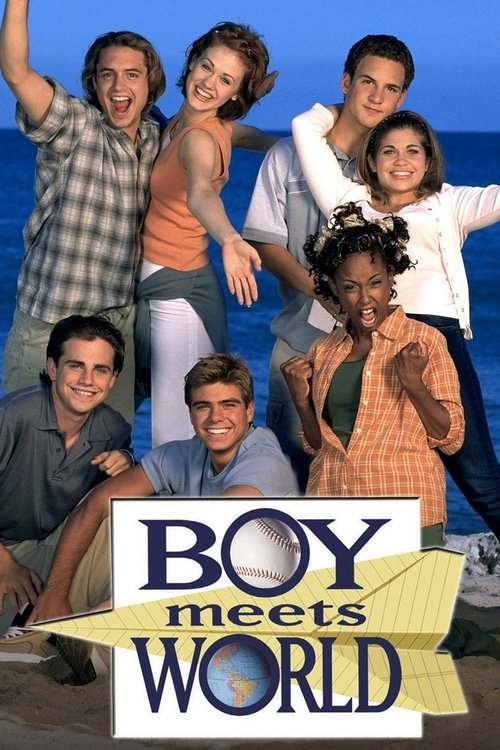
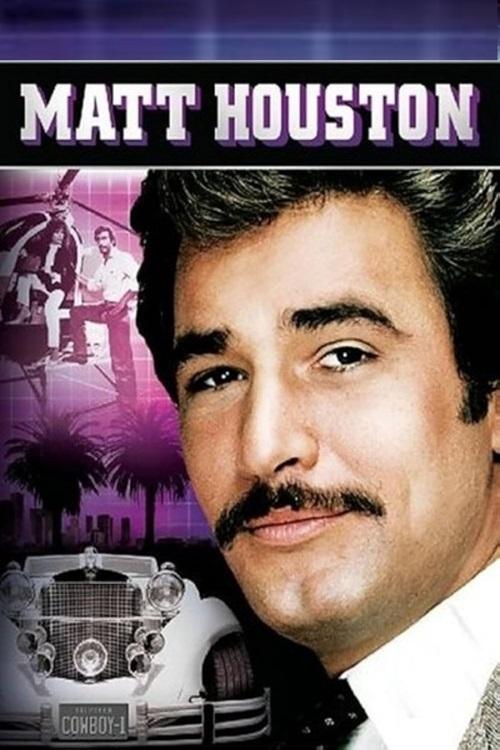
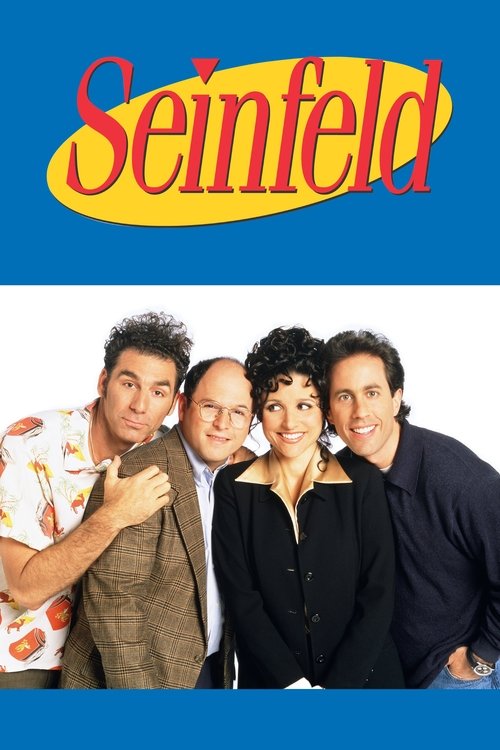
From Wikipedia, the free encyclopedia Glen Chin (January 27, 1948 – August 16, 2018) was an American actor of Chinese descent who starred in film and television. Chin grew up in Stockton, California, where he attended Amos Alonzo Stagg High School and was active in drama and choir. He studied music at the University of Pacific Conservatory of Music and played the double bass violin with the Stockton Symphony. Chin appeared in 50 First Dates as the humorous Hawaiian café regular, The Underachievers (1987), and After One Cigarette as Shigeru. He appeared in Chinese cinema in such films as Hollywood Hong Kong. Chin's television credits include Boy Meets World (the Eskimo), Night Stand with Dick Dietrick (Coco), Mighty Max, and Seinfeld. He played a villain's role in the 1998 movie, Knock Off (film). In the Seinfeld episode "The Opera", Chin plays Harry Fong, a character who buys a scalped ticket to an opera from George Costanza right before (or during) his girlfriend Susan ends up making the opera, so in the end, Jerry Seinfeld, Elaine Benes, Cosmo Kramer, Chin's character, and Susan all end up watching the opera. In Michael Jackson's music video for "Black or White", Chin morphs into Tyra Banks.
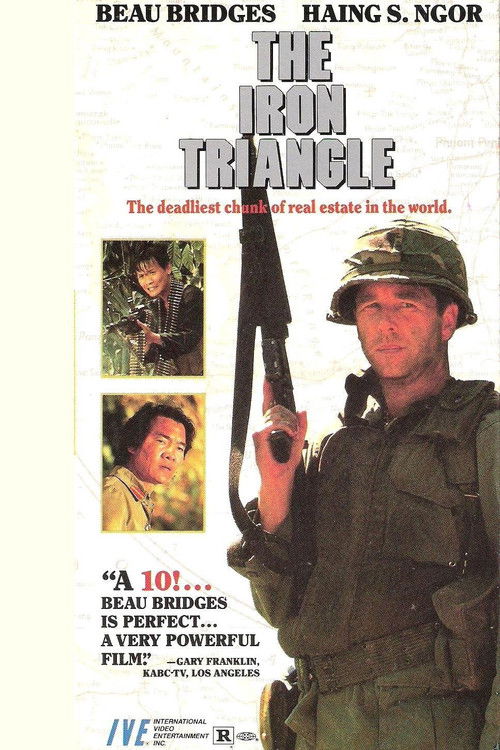
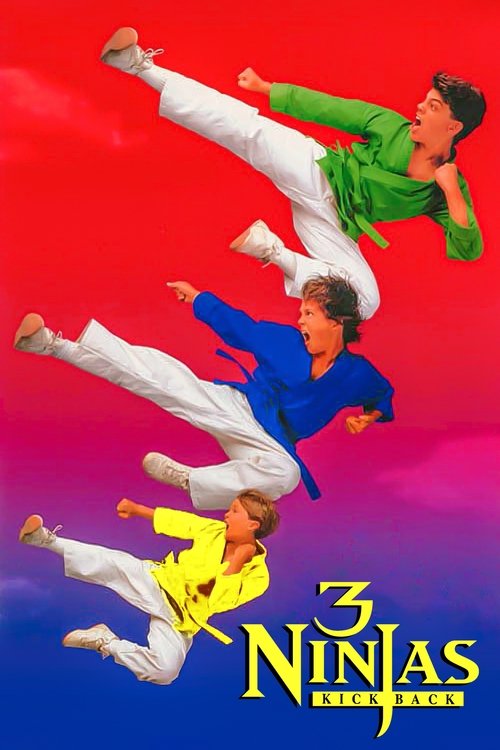
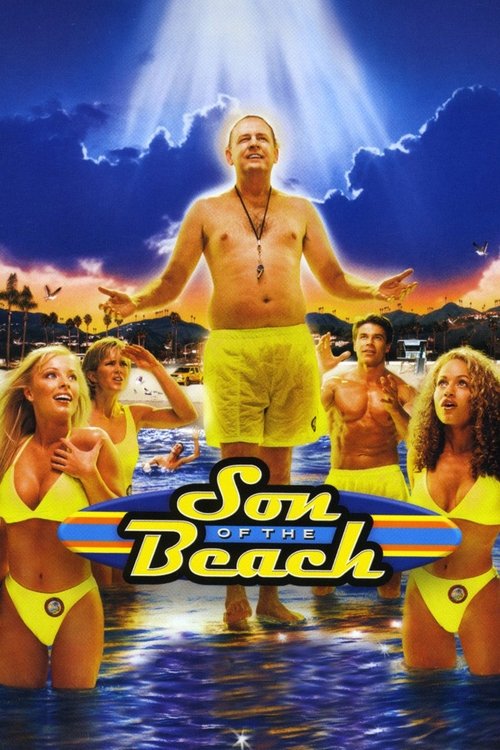
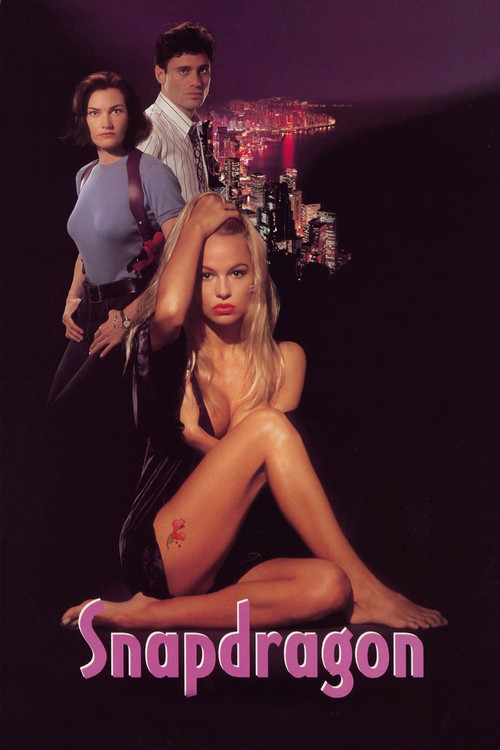
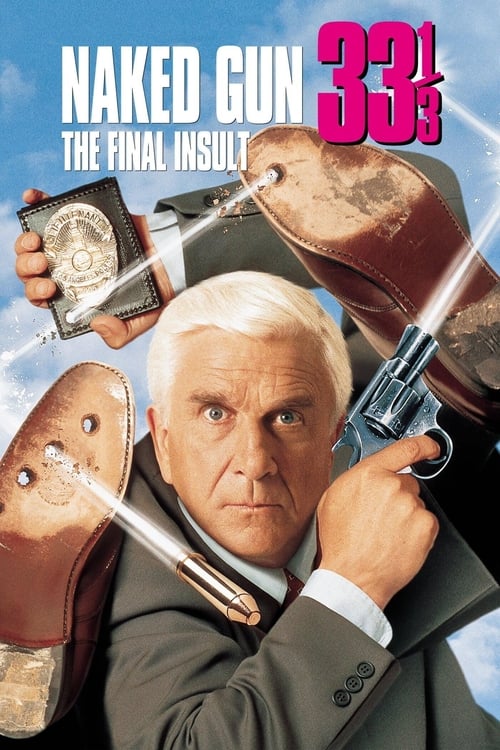
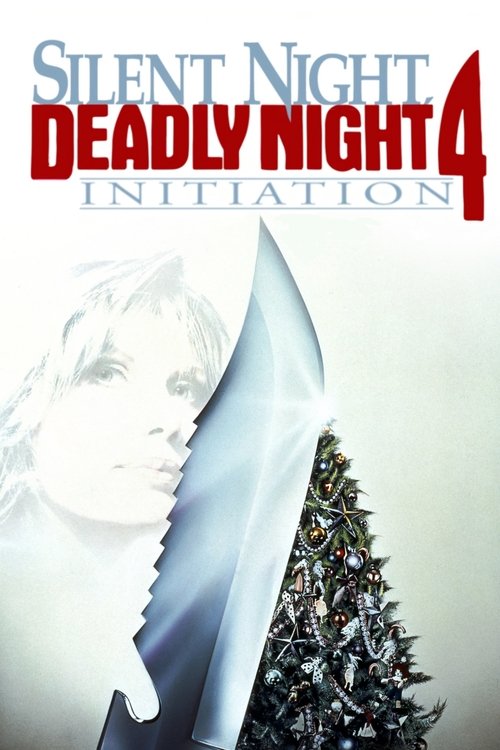
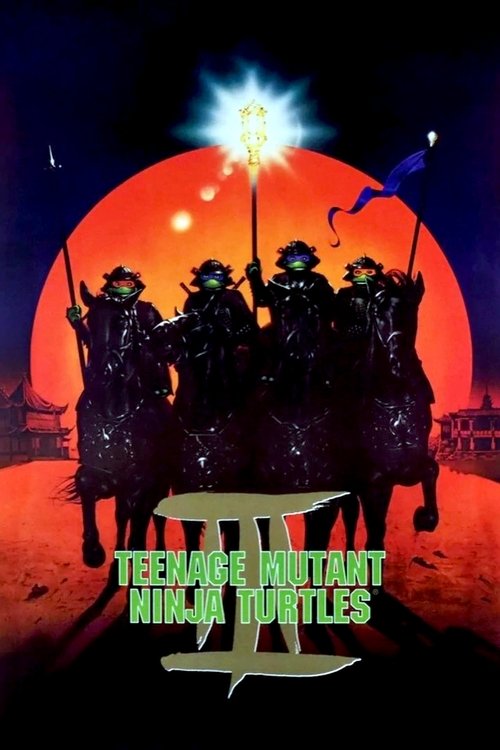
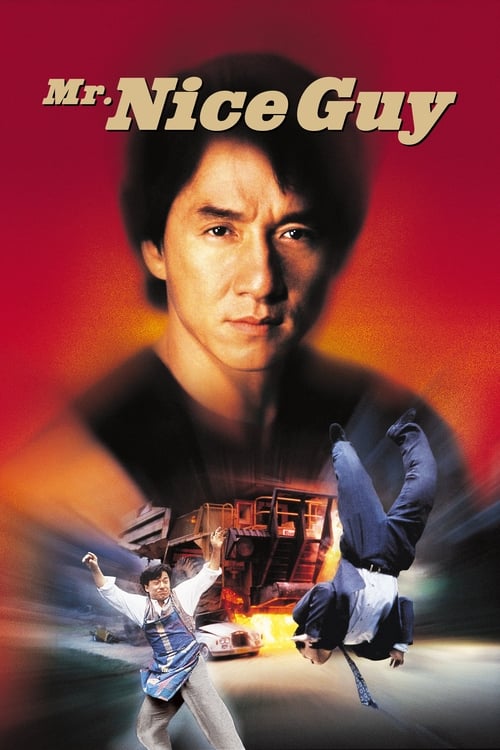
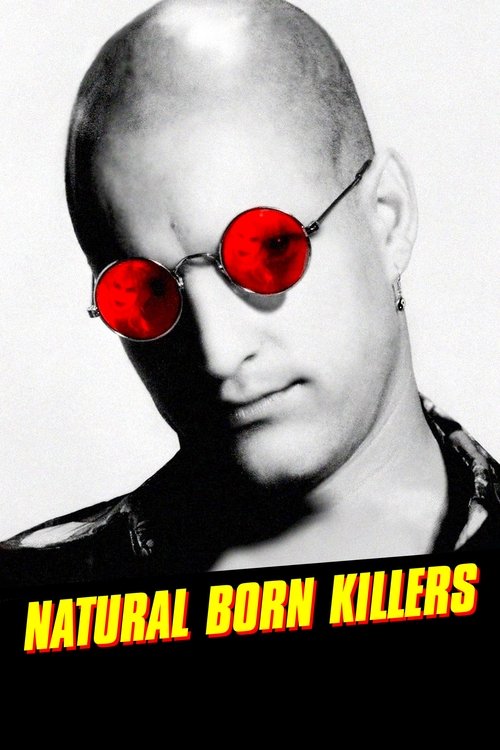
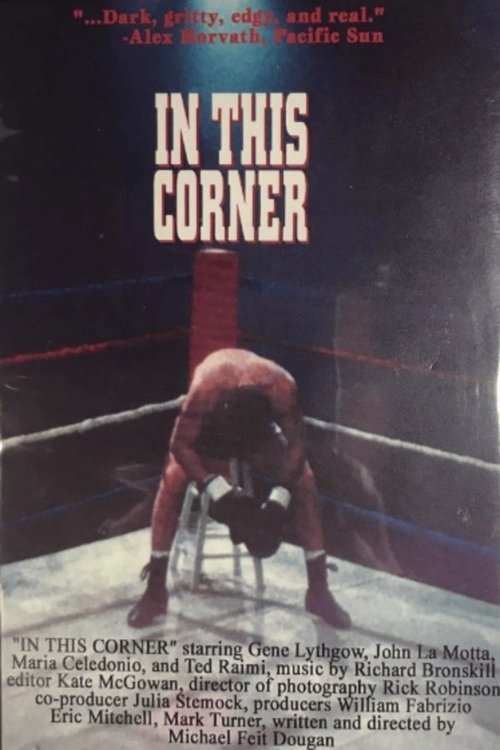
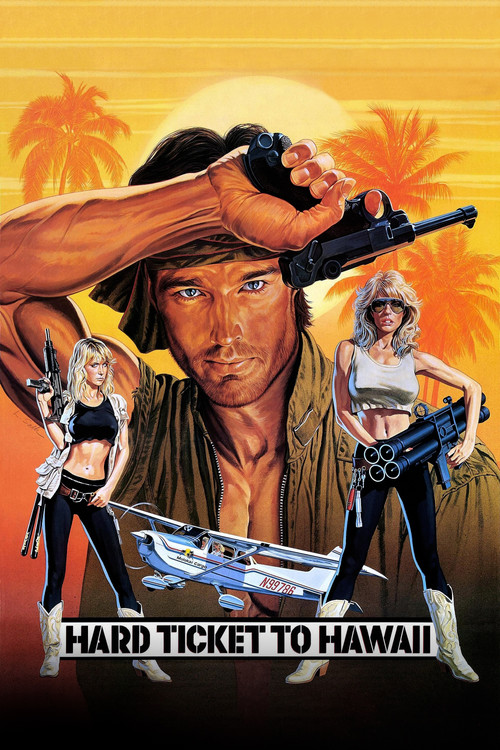
Glen Chin has appeared in several movies across different genres. Their filmography reflects a wide range of performances and memorable roles.
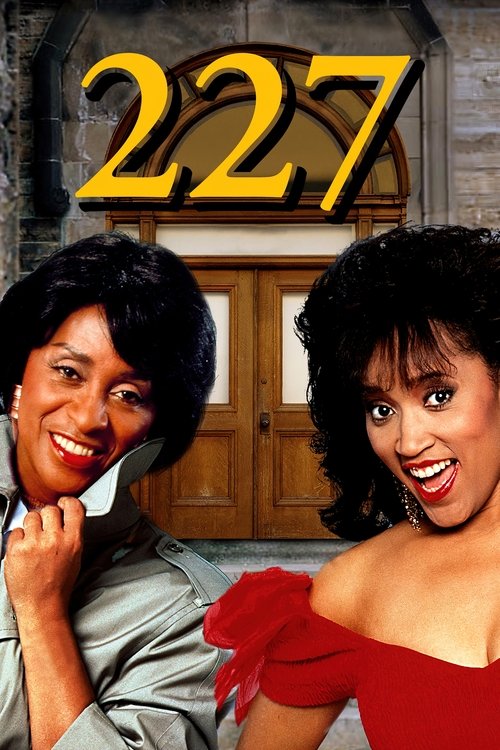
In addition to films, Glen Chin has also appeared in popular TV shows and web series.
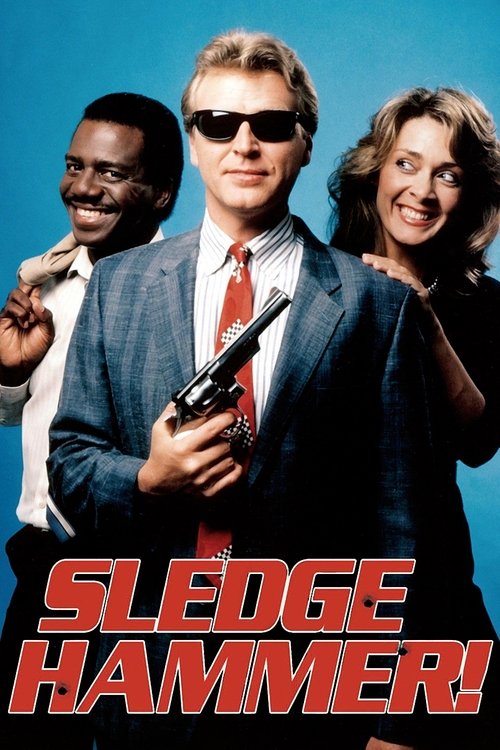
Sep 23, 1986
2
TMDB Popularity Score
Glen Chin continues to gain popularity due to strong audience interest and consistent performances.
CinemaToday does not host, upload, or stream any movies or TV shows.
This product uses the TMDB API but is not endorsed or certified by TMDB.
Feb 25, 1994