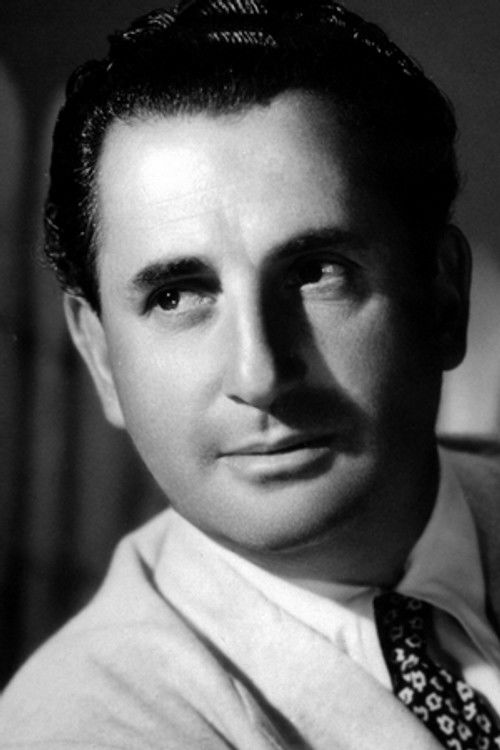
Arthur Lubin is a well-known directing recognized for their work in movies and TV shows. Over the years, they have gained popularity for their performances, versatility, and contribution to the entertainment industry. On CinemaToday, you can explore detailed information about their biography, career, movies, and TV appearances.
Arthur Lubin (July 25, 1898 – May 12, 1995) was an American film director and producer who directed several Abbott & Costello films and created the TV series Mr. Ed. Arthur Lubin was born Arthur William Lubovsky in Los Angeles, California in 1898. Lubin created his own film and music studio, Lubin Studios, in the 1920s, where he acted in silent films in the later half of the decade. Lubin directed the Abbott and Costello movies Buck Privates (1941), In the Navy (1941), Hold That Ghost (1941), Keep 'Em Flying (1942) and Ride 'Em Cowboy (1942). His most successful film at the box office was probably Phantom of the Opera (1943). Another may be Rhubarb (1951) about a cat that inherits a baseball team by proxy. Lubin also directed the "Francis the Talking Mule" series and brought the idea to TV as the series Mr. Ed. He was the first producer to give a contract to Clint Eastwood. Lubin also directed episodic TV shows like Bronco (1958), Maverick (1959), Bonanza (1960), Mister Ed (1961) and The Addams Family (1965). Lubin's last work was the TV series called Little Lulu (1978). Lubin's career ended in the late 1970s, and he lived the rest of his life with his life partner Frank Burford[citation needed] and died in Glendale, California of an unspecified cause on May 12, 1995 at age 96.
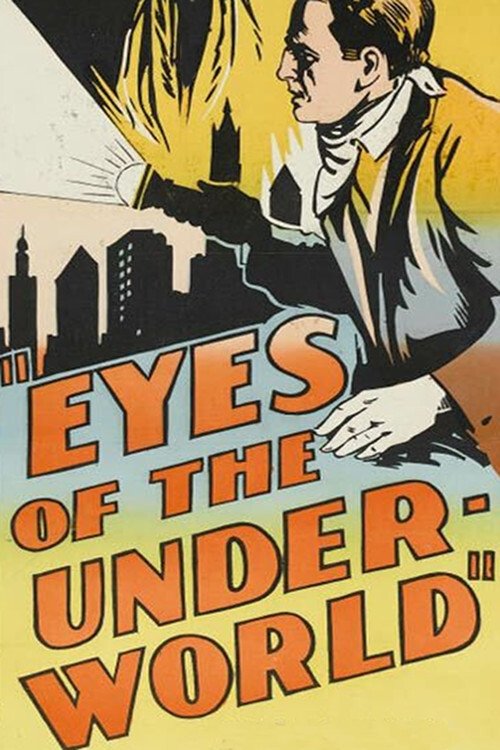
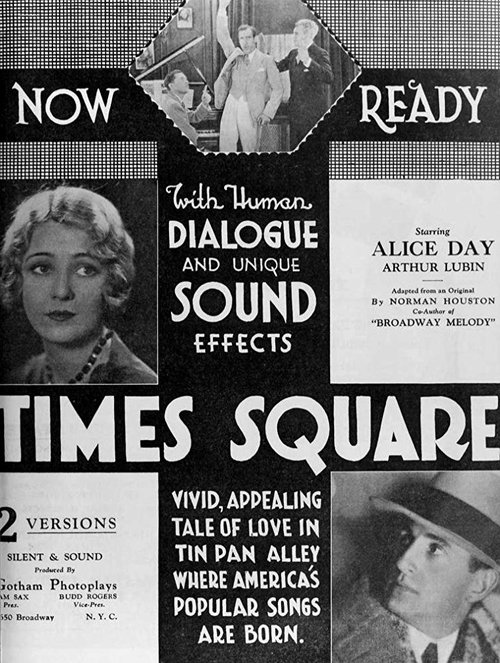
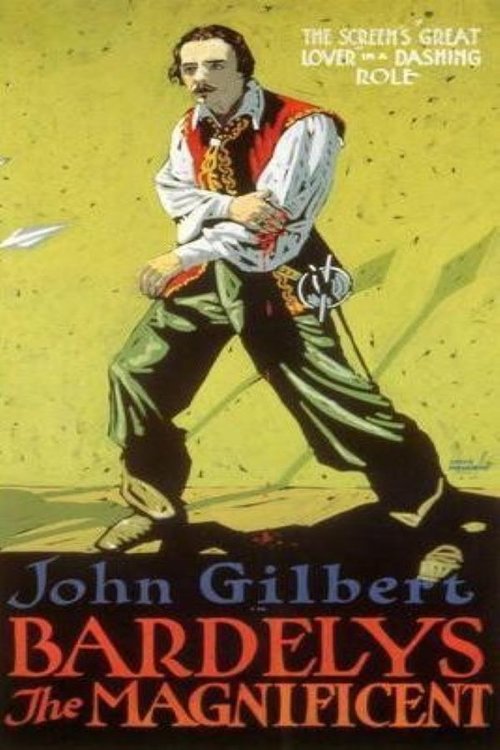
Arthur Lubin has appeared in several movies across different genres. Their filmography reflects a wide range of performances and memorable roles.
1
TMDB Popularity Score
Arthur Lubin continues to gain popularity due to strong audience interest and consistent performances.
CinemaToday does not host, upload, or stream any movies or TV shows.
This product uses the TMDB API but is not endorsed or certified by TMDB.
Oct 1, 1926